
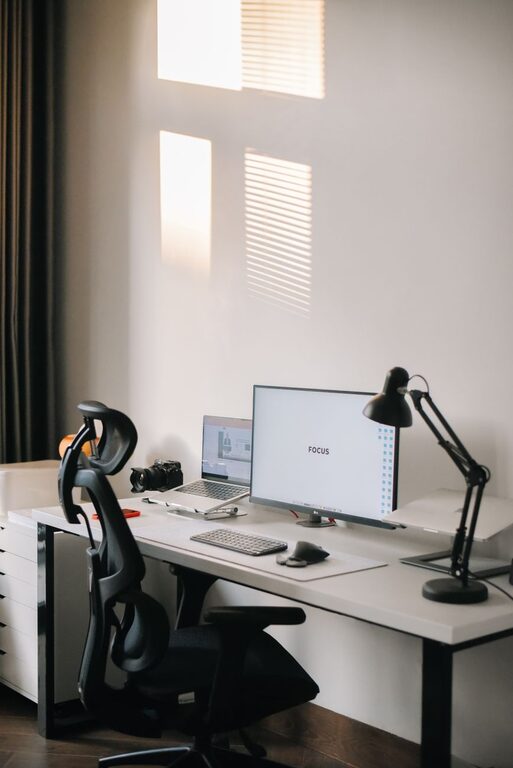
Working from home offers flexibility, but it can also make it harder to stay focused. Household tasks, phone notifications, background noise, and unclear work hours can quickly interrupt your attention.
The good news is that better focus does not require a perfect home office or complicated system. Small changes to your space, schedule, and daily habits can make it easier to concentrate and finish important work.
1. Create a Dedicated Work Area
A dedicated work area helps your mind separate work time from personal time. This does not have to be a separate office. A corner of a room, a dining table, or a small desk can work well if you use it consistently.
Try to make your workspace:
– Comfortable enough for extended periods
– Well lit, preferably with natural light
– Free from unnecessary clutter
– Equipped with the tools you use most often
– Separate from areas associated with rest, when possible
At the end of the workday, clear away papers and close your work applications. This simple routine creates a clearer boundary between work and home life.
2. Start With a Short Daily Plan
A written plan can reduce the time you spend deciding what to do next. Before you begin work, identify the tasks that matter most and estimate how long they may take.
Keep your plan realistic. A long list can feel overwhelming and may encourage you to switch between tasks. Instead, choose:
– One to three important tasks
– A few smaller tasks
– Time for meetings, messages, and unexpected requests
Put the most demanding task near the beginning of your workday if your energy and attention are usually strongest in the morning. If you focus better later, plan important work for that period instead.
3. Use Time Blocks
Time blocking means setting aside a specific period for one type of work. For example, you might reserve the first hour for writing, the next hour for project work, and a later period for email.
This approach makes your schedule more intentional and helps prevent small requests from taking over your day. You can create blocks for:
– Focused project work
– Email and messages
– Meetings
– Planning
– Administrative tasks
– Learning or professional development
Leave some open time between blocks. A schedule with no flexibility can become stressful when a task takes longer than expected.
Try a Simple Focus Cycle
If you are unsure how long to work before taking a break, try this cycle:
- Work for 25 minutes.
- Take a five-minute break.
- Repeat three or four times.
- Take a longer break of 15 to 30 minutes.
You can adjust the timing to suit your work. The goal is to create a clear period for concentration followed by a planned pause.
4. Remove Digital Distractions
Digital interruptions can make it difficult to maintain attention, even when they take only a few seconds. Each notification may lead to a message, website, or task that pulls you away from your main work.
To reduce interruptions:
– Turn off nonessential notifications
– Set your phone to silent or place it out of reach
– Close browser tabs that are not related to your current task
– Use a separate window for your main project
– Check email and chat at planned times
– Let coworkers know when you are in a focus period
You do not need to avoid communication all day. Instead, group similar tasks together so you can respond efficiently without constantly switching your attention.
5. Set Clear Work Hours
Flexible work can become confusing when there is no clear start or finish. You may begin early, work late, or continue checking messages throughout the evening.
Choose regular working hours whenever possible. At the start of the day, use a simple routine such as making coffee, reviewing your plan, and opening your project files. At the end of the day, save your work, update your task list, and close your computer.
A clear ending helps you avoid the feeling that you should always be available. It also makes it easier to return to work with a fresh mind the next day.
6. Manage Household Interruptions
People at home may not realize when you need uninterrupted time. Set expectations with family members, roommates, or anyone else who shares your space.
You could use a visible signal, such as:
– A closed door
– Headphones
– A note on your desk
– A specific status in your work chat
Explain when you are available and when you should only be interrupted for urgent matters. If possible, coordinate quiet periods with the people around you.
Household tasks can also become distractions. Keep a notepad nearby and write down chores or errands when they come to mind. This lets you remember them without stopping your current task.
7. Take Purposeful Breaks
Breaks are part of productive work, not a sign that you are falling behind. A short pause can help you return with more energy and attention.
During a break, try to step away from your screen. You might:
– Stretch or walk around
– Get a glass of water
– Look outside
– Prepare a snack
– Do a quick household task
– Practice a few minutes of quiet breathing
Avoid turning every break into a long session of scrolling or watching videos. These activities can make it harder to return to work on time.
8. Keep Your Workspace Organized
Clutter can create visual distractions and make it harder to find what you need. Spend a few minutes at the end of each day putting away papers, organizing files, and clearing your desk.
Use simple systems rather than trying to organize everything perfectly. For example:
– Keep current projects in one folder
– Use clear names for digital files
– Store frequently used supplies within easy reach
– Remove items that do not support your work
– Review your workspace once a week
An organized space saves time and reduces the small decisions that can interrupt your concentration.
9. Match Tasks to Your Energy
Your ability to focus may change throughout the day. Some people do their best thinking early, while others become more productive in the afternoon.
Notice when you feel most alert and schedule demanding work during that period. Save routine tasks, sorting, or simple replies for times when your energy is lower.
You can also improve focus by changing tasks when attention begins to fade. After a long writing session, for example, switch to reviewing notes or organizing files before returning to more intensive work.
10. Review What Works
There is no single work-from-home routine that suits everyone. Test one or two changes at a time and observe how they affect your concentration.
At the end of the week, ask yourself:
– Which tasks received my best attention?
– What interrupted me most often?
– Did my work area support concentration?
– Were my breaks long enough and well timed?
– Which habits should I continue or change?
Use your answers to adjust your schedule and workspace. Improving focus is an ongoing process, and small changes can produce meaningful results over time.
Build a Routine That Fits Your Life
Better focus at home comes from creating conditions that make concentration easier. A dedicated work area, a short daily plan, fewer notifications, regular breaks, and clear work hours can all help.
Start with one change rather than trying to redesign your entire day. Once that habit feels natural, add another. With a routine that matches your work and home environment, you can stay focused while still enjoying the flexibility of working from home.